

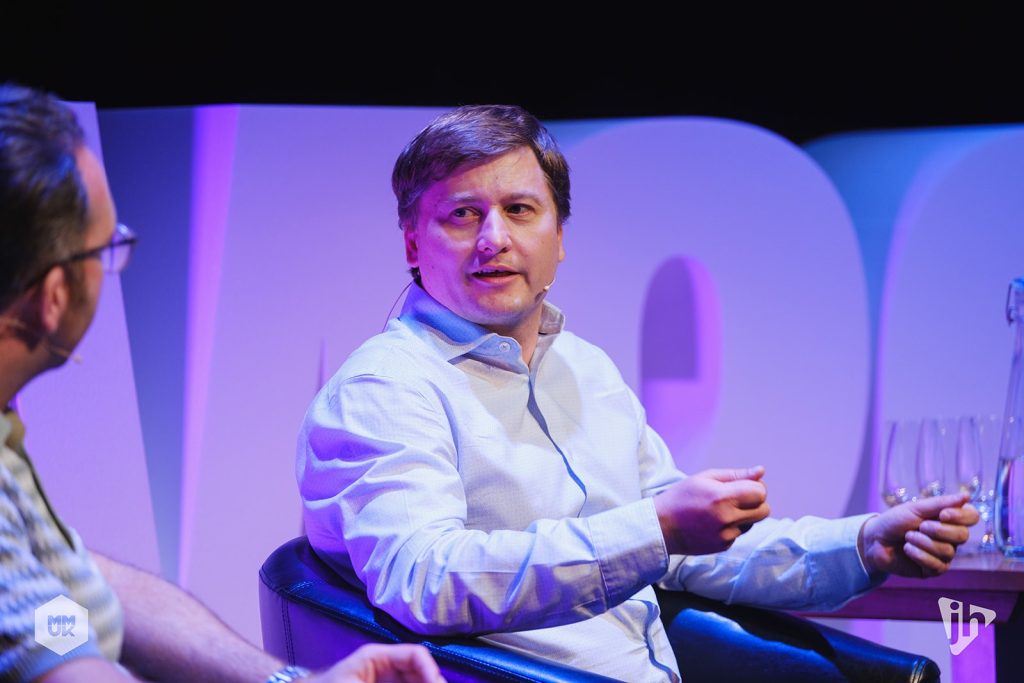
I just got back from my first MeetMagento UK and I have a few thoughts that did not fit in a LinkedIn post. Some are practical observations about how the conference itself ran. The bigger ones are about where the Magento ecosystem is headed, because the questions I left with were the kind that nobody on stage seemed quite ready to answer out loud.
The community is healthy. The product is fragmented. Both of those things were obvious within the first two hours, and both deserve a longer look than a hashtag-heavy social post can give them.
MeetMagento UK Snapshot
The Small Touch That Tells You They Cared
The first thing I noticed was that names on badges were printed on both sides. That is the simplest possible upgrade to a conference and it is the first time I have seen it done in the UK. You never have to crane your neck to read somebody, you never miss a name in a quick chat, and the entire networking experience just runs smoother. I will be stealing this for any event our team runs in the future.
It is the kind of detail that signals the organisers actually thought about how attendees move through a day. Conferences live or die on the small frictions, and removing this one was a smart, low-cost decision that everyone benefited from.
Why the Venue Mattered More Than the Sessions
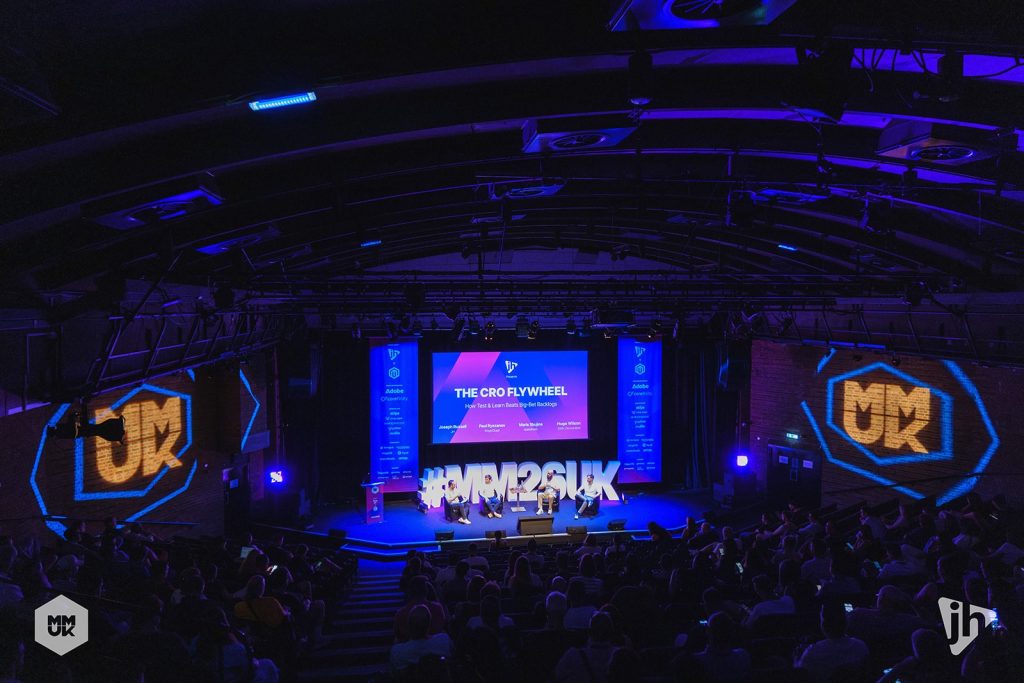
Seven hundred plus attendees in a single venue could have been claustrophobic. It was not. There was a marketplace room for the people who came to network, a quiet area for the people who needed a private chat, and dedicated seating for anybody who needed to step out and take a call. Every one of those zones was being used, which tells you the room layout was matched to how people actually behave at events like this.
That kind of design only happens when the organisers have run enough conferences to know that introverts and extroverts both buy tickets, and that some attendees come to work the room while others come to have two or three high-quality conversations and leave. Both groups got what they needed, which is harder than it looks.
The One Operational Note for Next Time
The single thing I would change is the timing between sessions. There were stretches where I had to leave a talk a few minutes early to make it to the next one I cared about. I mostly stayed in the same business track, and even then I was watching the clock. A little more buffer between sessions would let attendees finish a thought, ask a question, or have the corridor conversation that often delivers more value than the talk itself.
This is the kind of feedback every conference organiser gets, and I mention it not as a complaint but as the one thing I think would meaningfully improve an already strong event. Everything else was extremely well executed.
The Question Nobody Wanted to Answer
The bigger question I left with is about the platform itself. Right now there are at least three live initiatives keeping Magento alive: openmage.org continues to support 1.9, mage-OS is doing serious work on the open-source future, and magento-opensource.com sits alongside Adobe’s commercial Adobe Commerce offering. The community keeps using “Magento” and “Adobe Commerce” almost interchangeably, and Adobe has not made the relationship between those names obvious.
I was hoping for a clearer signal at the conference about which direction Adobe is committing to. I did not get one. That ambiguity is fine for an established merchant who has already chosen their stack and already learned when skipping a Magento release is the smarter call, but it is creating real friction for new merchants trying to decide whether to invest in the ecosystem at all.
Will Adobe Hand Off the Open Source Side?
The honest question I keep coming back to is whether Adobe will eventually step back from open-source Magento and focus exclusively on the largest enterprise brands using Adobe Commerce. There is a reasonable business case for that. Adobe’s customer profile and the open-source community’s profile have been drifting apart for years. A clean handoff to mage-OS or a similar community-led successor would not be the worst outcome.
The agencies and developers I respect are already preparing for that scenario quietly. They are testing mage-OS, contributing where they can, and making sure their merchant base is not exclusively dependent on the path Adobe chooses. It is the same instinct that pushed our team toward an agency model that earns trust without long retainers. That is sensible hedging, not panic, and I think more of the ecosystem should be doing it.
What Comes Next
Magento 2.0 turns ten next year. That is a meaningful anniversary for a platform that powers a huge slice of the mid-market ecommerce world. Whether the next decade is led by Adobe, by mage-OS, or by some combination of both, the people who care about the platform are still showing up, still building, and still hiring, and the practical work — including Core Web Vitals tuning on Luma-based Magento 2 stores — keeps producing real results for merchants. That was the energy in the room at MeetMagento UK, and it is the reason I left optimistic even with the unanswered questions.
The Panel I Was On
I also took part in the CRO Flywheel panel at this event. The full session video and write-up are at The CRO Flywheel: How Test & Learn Beats Big-Bet Backlogs.
Where to Find Me Next
If you want to keep this conversation going, come find me at the next Ecommerce Camp UK. The same crowd will be there and the questions about Magento’s future are not going anywhere.
Related reading: The Daily Monitoring Stack I Run on Every Ecommerce Site — the daily monitoring stack we run on every Magento customer, and what yesterday’s 110,000-site attack changes about it.