

When a store asks me where the fastest revenue gain is hiding, I rarely start with paid traffic. I start with the email list they already own. For a typical ecommerce database, roughly thirty percent of revenue should come from email. Most stores I look at are nowhere near that figure, and the gap between where they are and that benchmark is usually the cheapest growth available to them.
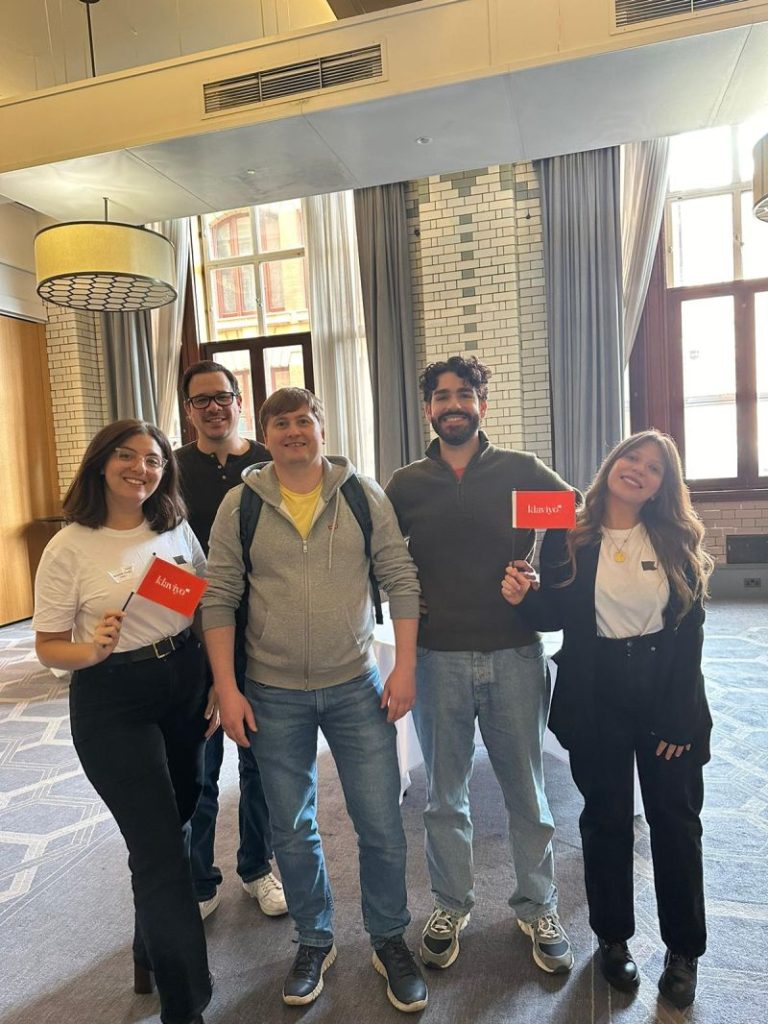
I was reminded of this at a Klaviyo workshop recently. We work with around twenty-three merchants on Klaviyo, and even with that much exposure I still came away with practical ideas. That is the first lesson here, and it has nothing to do with email specifically: you always need to improve your skills, no matter how many years you have spent with a tool.
Why Email Should Carry Around 30% of Revenue
Email is the one channel a store actually owns. Paid traffic rents attention, social platforms control reach, and search depends on Google. The list is yours. When a store under-invests in it, the missing revenue does not announce itself. It simply never arrives, month after month, while the founder pours budget into channels that cost more to feed.
Thirty percent is not a hard law, and the right figure depends on the catalogue, the margins, and how often people buy. But it is a useful benchmark, because a store sitting at five or ten percent almost always has obvious work left undone. The flows are half built, the campaigns are irregular, or the segments are too broad to be relevant.
What Moves the Number
Two things move email revenue, and a store needs both. Automated flows do the quiet, compounding work: the welcome sequence, the abandoned cart, the post-purchase follow-up, the win-back. Campaigns do the visible work: the broadcasts tied to launches, seasons, and offers. Stores that lean on one and neglect the other leave money behind either way.
This is where the detail matters more than the platform. The same logic applies to timing, which is why I wrote about why a 12-hour invite window fails in a 24-hour world. Sending is easy. Sending the right thing, to the right segment, at a time that respects how people actually live, is the work.
What the Klaviyo Workshops Get Right
What I value about Klaviyo is that they run real workshops, online and offline, with account executives and senior trainers in the room. These are not sales pitches dressed as education. They set aside thirty to forty minutes at each table to answer every question, and the advice is specific enough to implement the next day.
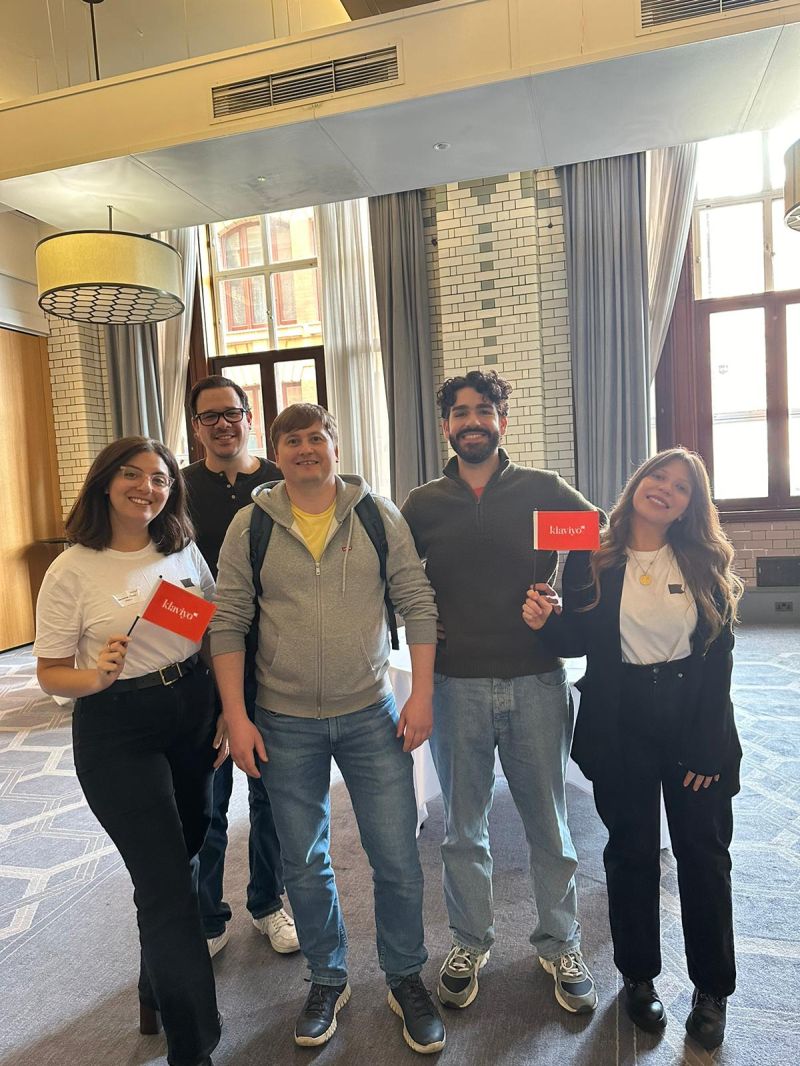
I would recommend that retail businesses attend these events when they can. The London and Manchester sessions fill up fast, and for good reason. A day in the room with people who look at hundreds of accounts will usually surface something your own data has been telling you for months.
How to Use Your Agency’s Partner Status
Here is a lever most merchants do not know they have. If you run Klaviyo through an agency that is a listed Klaviyo partner, you can ask the agency to bring their partner manager into a call to review your campaigns. That is a free second opinion from someone who sees the platform benchmarks across many stores, and it is exactly the kind of value an agency relationship should unlock. It is part of what an honest agency relationship is supposed to give you.
There is one development I am still watching. Klaviyo is working to link its reviews with Google so they feed into Merchant Center. The last time I checked, Klaviyo was not yet listed as a Google-approved reviews source. I expect that to be resolved, but I would not build a plan around it until it is live.
MageCloud Email Note
Where Email Sits in a Healthy Ecommerce Mix
TARGET SHARE
Around 30% of revenue
For a typical store database, email should not sit far below this.
WHAT MOVES IT
Automation and campaigns
Flows plus well-run broadcasts, not one without the other.
Paul Ryazanov · MageCloud · around 23 stores running on Klaviyo
If you want me to look at where your email is leaking revenue and tell you which two or three fixes are worth doing first, get in touch. I will walk through the flows and the campaign calendar with you and point you at the work that pays for itself.