

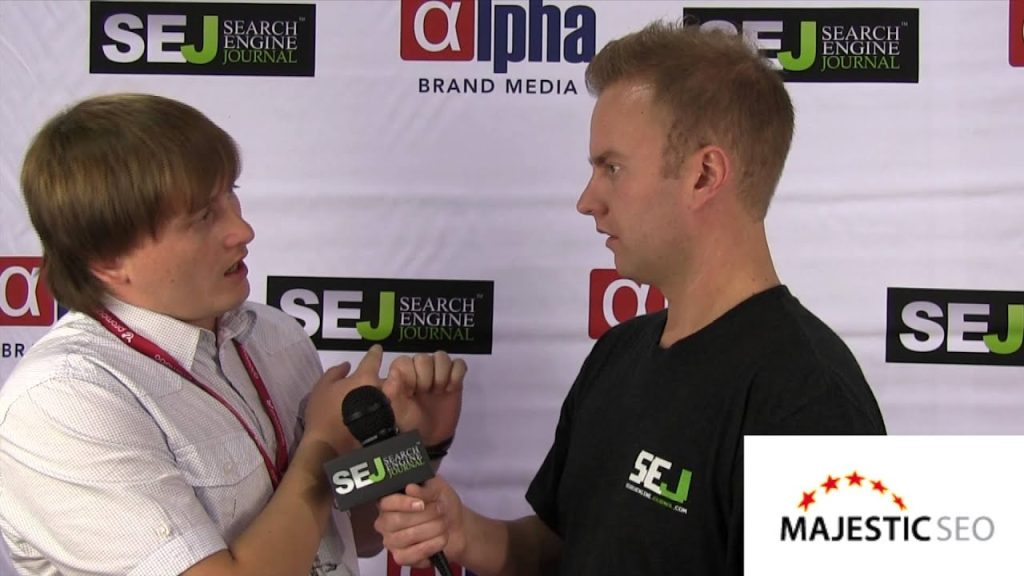
A/B testing is the cheapest growth lever most ecommerce stores never pull. Search Engine Journal interviewed me at Pubcon about exactly this: how to spend less on marketing by learning what actually converts before you pour budget into traffic. More than a decade later the principle has not aged a day. If you do not know which version of your page wins, every pound you spend on ads is a guess.
The argument is simple. Most founders try to fix weak sales by buying more visitors. But if the page converts at half the rate it should, more traffic just means you lose money faster. Testing tells you where the leak is, and it costs almost nothing to run.
The four things worth testing first
You do not need to test everything. In the interview I pointed at the handful of elements that move the number most.
The header. Compare different messaging until you get it right, because it is the first thing a visitor reads and it decides whether they stay. Immediately after the header, put a clear message about what you actually do for the customer. Not about you, about them.
Forms. Test placement, and test cutting fields. Every extra field you ask someone to fill in costs you conversions. The shortest form that still gets you what you need almost always wins.
Call-to-action buttons. Colour, size, and wording all change behaviour. A button is small, so it is easy to test fast and the wins compound across every visitor.
Images. Something as simple as swapping one image for another can lift conversions. You will not know which image works until you test the impact of each one against the same traffic.
The tools I recommended, and the one that still matters
For a business on a slim budget I recommended Optimizely: it gives you a JavaScript snippet you drop into your site, and it handles all the measuring for you. The specific platform matters less now than it did then. What matters is that you run a real split test with a tool that measures the outcome, rather than changing the page on a hunch and hoping.
Alongside testing I recommended heat mapping, with a tool like Yandex Metrica at the time, so you can see exactly how people behave when they land. Heat maps do not tell you what to change, they tell you what to test next. You watch where attention goes and where it dies, form a hypothesis, then test it. That loop, watch then test, is the whole game.
Why this still runs the show
This is the same point I make about stores today: you do not have a traffic problem, you have a conversion problem. See why buying more traffic rarely fixes weak sales. And the page where testing pays off fastest is almost always the product page, because that is where the decision to buy is actually made. See why nothing else matters if the product page does not convert.
You do not need a bigger marketing budget to grow. You need to know what converts, and testing is how you find out for almost nothing. If you want a second set of eyes on what to test first on your store, book a call and we will map it out.
Testing only works when you act on what it tells you and stop guessing. It is the practical answer to the fact that most stores have a conversion problem, not a traffic problem, and it is how you stack the kind of wins behind taking a conversion rate from 0.2 to 1.2 percent.