

When I started working in ecommerce, the standard was simple. If a site worked and it sold, it was a good site. That was the end of the conversation.
Nobody cared much what it looked like. Function was everything, and that is where I put my attention, first as a developer and later as a marketer and CRO specialist.
Then Everyone Started Selling the Same Thing
Competition got brutal. The same products, from more sellers, in front of customers with more options and shorter patience. Expectations went up and tolerance went down.
Once function is table stakes, function stops being a differentiator. What is left is the details.
The Details Sound Trivial. They Are Not.
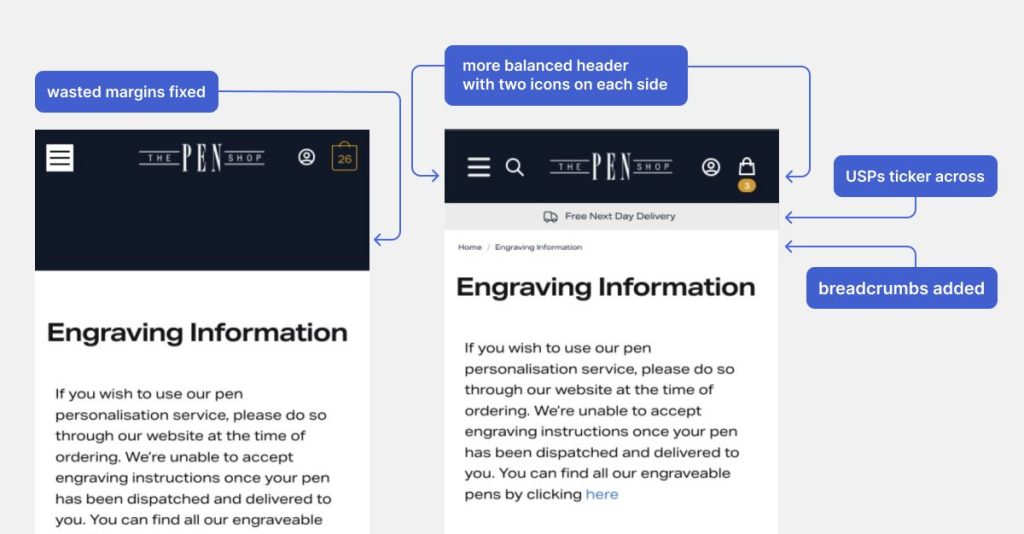
An icon. A change to spacing. A smoother navigation flow. Written down, these sound like the things people argue about when they have run out of real work. In practice they are the difference between someone buying and someone leaving, because they either remove a moment of doubt or they create one.
That is what UI and UX actually are. Not decoration. Guidance. You are removing friction between a person and a decision they already half want to make. I have put it more bluntly elsewhere: good UX converts and bad UX kills sales.
The same logic is why an eight second upgrade can change how a whole product page performs, and why the product gallery deserves far more attention than it gets.
What I Got Wrong
I used to think design was decoration. I was wrong, and I was wrong for years. Our UX and UI expert Adam Forshaw has spent his time proving it, refining navigation and small interactions for brands and watching conversions move.
So here is the question worth sitting with. What is one small thing on your site that is quietly costing you sales? Not the redesign. The small thing.
If you are not sure, ask someone to look. That is what a UX audit is for.