

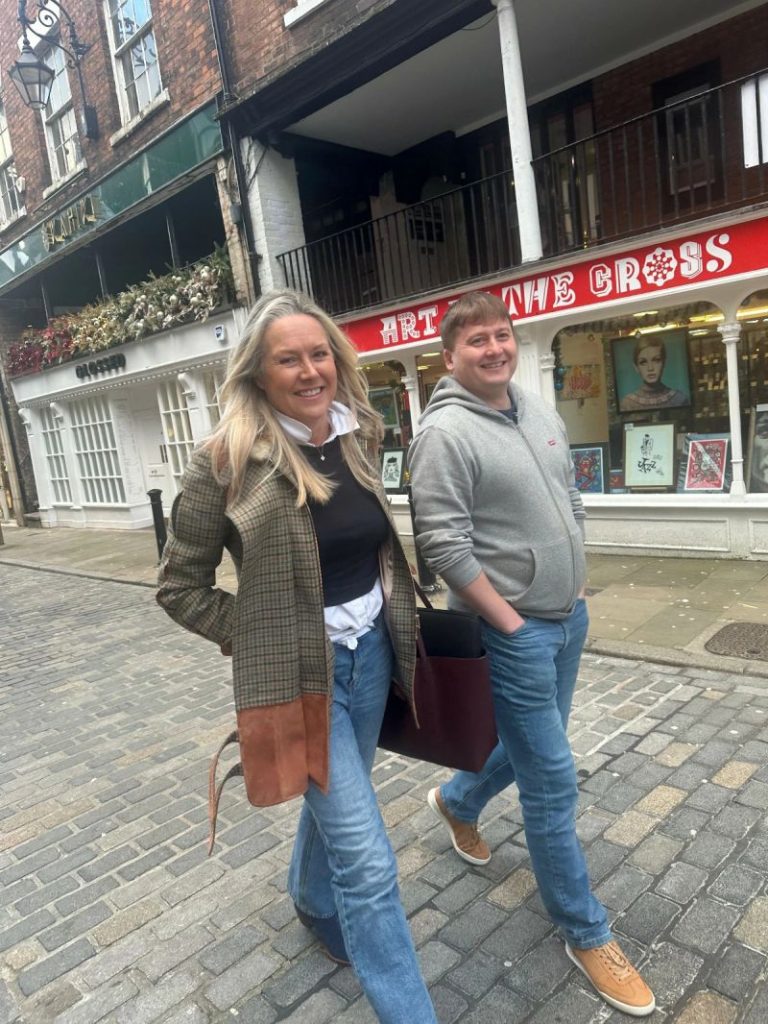
Sarah Wilde, the CEO of TheTightSpot.com, emailed me on a Saturday to say she would be passing through Chester. I rearranged my plans, because a face-to-face conversation with an operator running a real business is worth more than almost anything on the calendar. We had a great discussion about Magento, Shopify, and ecommerce. But the thing I most wanted to share with her had nothing to do with platforms.
Why a Personal Brand Is a Scaling Tool, Not a Vanity Project
I told her that her personal brand is one of the most powerful tools she has for scaling the business. Most founders hear personal brand and think vanity, or self-promotion, or another thing to manage on top of running the company. That framing misses what it actually does. A personal brand is the thing that lets a company punch far above the size of its marketing budget, because people trust a named human long before they trust a logo.
Being the CEO of a company is not just about selling your products. It is about inspiring other people, and you cannot inspire anyone from behind a brand that has no face. When the founder is visible, the company borrows that visibility. Customers, talent, and partners all find it easier to commit to a business when there is a real person standing in front of it whose story they know.
Why Telling Your Story Is the Hard Part
The advice I gave her was simple to say and hard to do: tell your story, and share what you have learned. She is a self-made entrepreneur with a team that genuinely understands its market, and an audience already in the tens of thousands. All of the raw material is there. The only thing missing is the decision to put herself in front of it consistently.
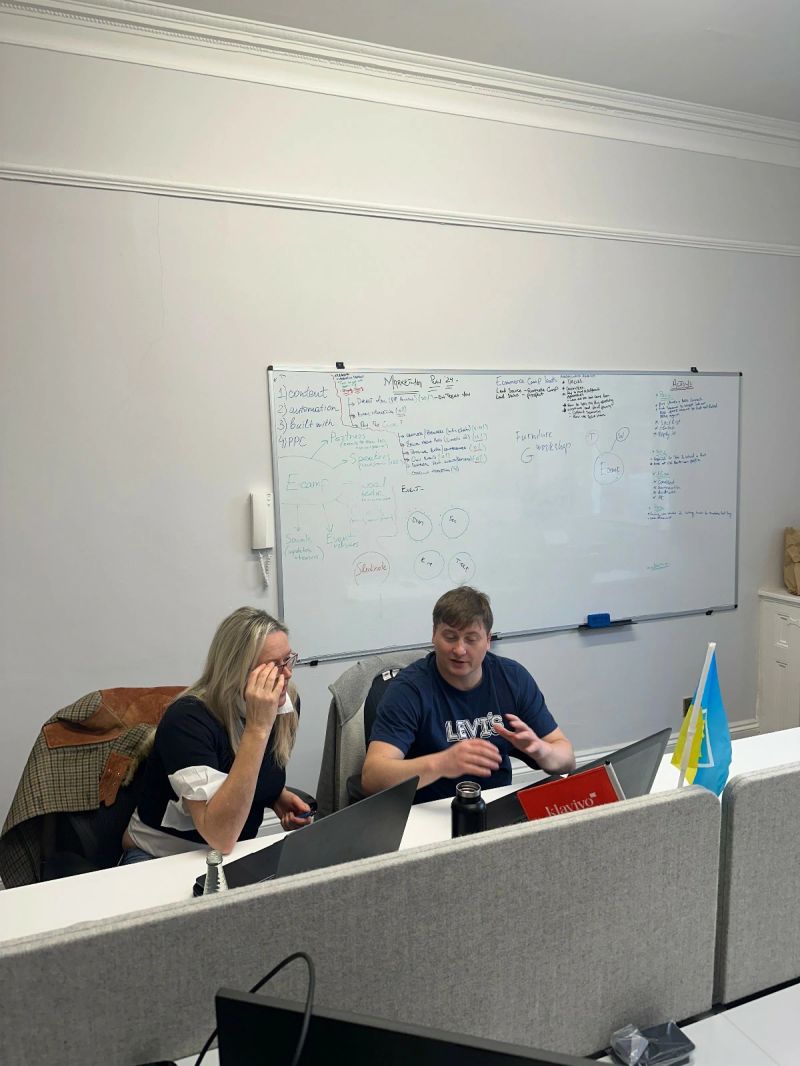
That is the part most founders avoid. It feels self-indulgent, or risky, or like time taken away from the real work. I avoided it myself for years, which is the honest backstory in twenty years on LinkedIn, mostly wasted. The story you are reluctant to tell is usually the one your audience most wants to hear, because it is the one only you can tell.
Why the Brand Has to Come Before the Tactics
There is an order to this, and most people get it backwards. They chase tactics, channels, and optimisations before they have established who they are and what they stand for. The brand comes first, and everything else attaches to it. I have written about this for companies in why you name the brand first and worry about SEO last, and the same is true for a founder. Decide what you represent, tell that story, and the marketing has something to point at.
None of this is about becoming an influencer. It is about a CEO using the most underrated asset she already owns. The same instinct that got me into this work in the first place, which I wrote about in how I first got into online marketing, is the one I wanted her to act on: the most valuable thing you can build is the trust people place in you by name.
MageCloud Operating Note
The Asset Most Founders Underuse
THE MISTAKE
Treating a personal brand as vanity
A face the company never uses, and trust left on the table.
THE OPPORTUNITY
The founder’s story, told consistently
A named human people trust long before they trust a logo.
Paul Ryazanov · MageCloud · the brand comes before the tactics
If you are a founder sitting on a story you have never told, and you want to talk through how to use it to grow the business, come and find me at the next Ecommerce Camp UK. It is full of operators working through exactly this.