

Overview
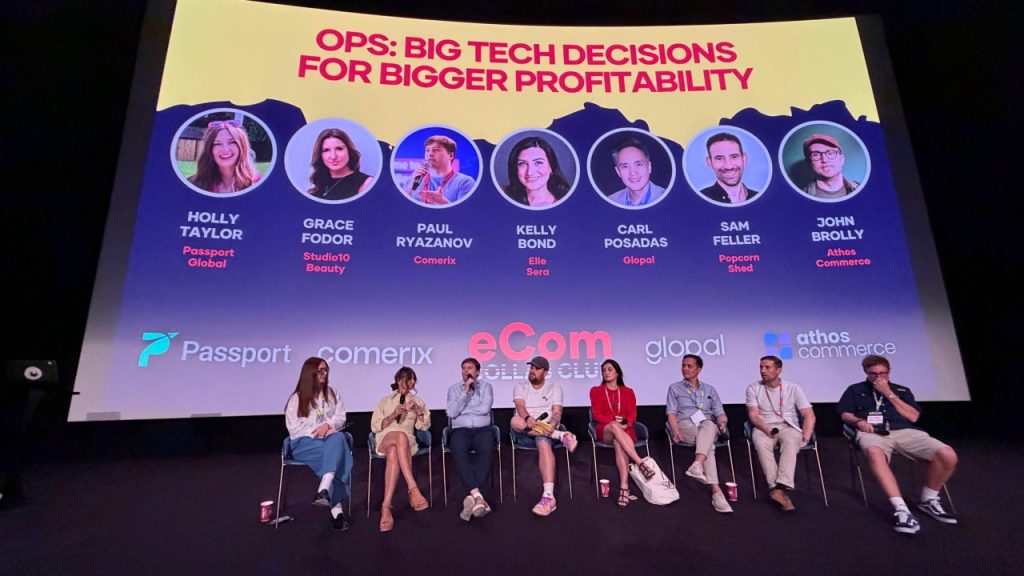
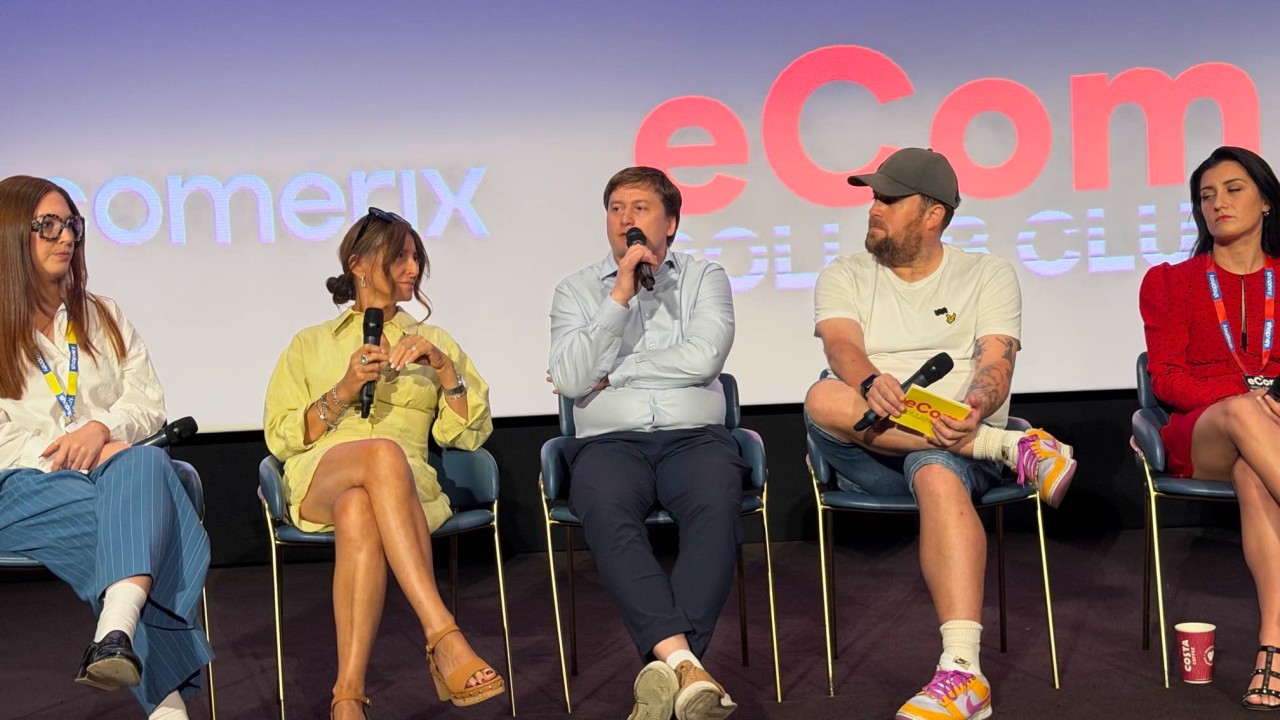
I recently had the opportunity to join a panel discussion at the E-commerce Collaboration Club in London, where we explored one of the most important topics facing ecommerce founders today: how to make technology decisions that increase profitability rather than simply following industry trends.
I was invited to participate as the technical mentor on the panel, sharing practical advice drawn from more than 20 years of helping ecommerce businesses select, build, migrate, and optimise their technology stacks.
One of the biggest challenges founders face is separating genuine business requirements from market hype. Every year the industry introduces new trends, whether it’s headless commerce, composable architecture, AI-first platforms, or the latest ecommerce framework. While these technologies can deliver tremendous value in the right circumstances, they are not automatically the right choice for every business.
During the session, I shared three principles that I believe every ecommerce founder should consider before investing in new technology.
1. Choose a Platform Based on Your Business, Not Industry Trends
Technology should solve business problems, not create them.
Many growing businesses invest in platforms that are significantly more complex than they actually require. They choose enterprise-level solutions because they appear more future-proof or because competitors are using them, only to discover that implementation costs, maintenance requirements, and operational complexity become obstacles to growth.
The best ecommerce platform is rarely the newest or the most popular.
It is the one that matches your current business model, team capabilities, budget, operational processes, and long-term objectives.
Technology should enable growth rather than becoming a bottleneck.
2. Don’t Rely on Advice From a Single Vendor
Another topic we discussed was how founders often make platform decisions.
Many businesses ask a single development agency which ecommerce platform they should choose.
The challenge is obvious.
A Magento agency will naturally recommend Magento.
A Shopify partner will usually recommend Shopify.
A specialist in headless commerce is likely to recommend a headless architecture.
There is nothing wrong with these recommendations, but they are naturally influenced by the services each company provides.
My advice is always the same.
Speak with multiple companies that specialise in different technologies, or work with consultants who are genuinely platform-agnostic. Comparing different perspectives allows founders to evaluate solutions based on commercial objectives rather than vendor preferences.
The goal isn’t to choose the platform your agency prefers.
The goal is to choose the platform your business will benefit from over the next five years.
3. Never Underestimate the Cost of Ownership
One of the biggest mistakes businesses make is focusing entirely on the initial development budget.
The purchase price is only the beginning.
Founders also need to consider:
- Platform licensing fees
- Monthly application subscriptions
- Transaction fees
- Hosting and infrastructure
- Ongoing development
- Security updates
- Technical support
- Integrations with third-party systems
In many situations, a platform with a lower upfront investment becomes significantly more expensive over several years because of recurring subscription costs.
Conversely, investing more at the beginning can often reduce the overall cost of ownership while providing greater flexibility and scalability.
Technology decisions should always be evaluated over the long term rather than purely on implementation cost.
Learning From Real Projects
Alongside these principles, I shared several real-world examples from projects I’ve been involved with over the years, including platform decisions that resulted in unnecessary complexity, increased operational costs, and expensive migrations that could have been avoided with better planning.
These practical case studies generated some of the most engaging discussions during the panel, with founders sharing similar experiences from their own businesses.
Great Conversations Beyond the Stage
One of the highlights of the event wasn’t just the panel itself but the conversations afterwards.
Speaking with founders, technology partners, and ecommerce operators reinforced something I’ve believed for many years: the best learning often happens after the presentation finishes.
Hearing the challenges businesses are facing in real time provides valuable insight into where ecommerce is heading and where technology can genuinely create competitive advantage.
I’d like to thank the organisers of the E-commerce Collaboration Club for the invitation. It was a pleasure contributing to the discussion, meeting so many ambitious founders, and helping businesses make technology decisions that support sustainable, profitable growth.
I look forward to returning for future events and continuing the conversation.