

I genuinely love it when someone approaches me with a good offer. I send a lot of cold emails myself, so I have real respect for anyone putting in the effort. Recently I received a message from a company about merchandise, apparel, and uniforms for Ecommerce Camp UK, and it was such a nice, well-crafted email that I decided to reply with some feedback rather than just delete it. The feedback was not about their email at all. It was about their website.
A Great Email Cannot Fix a Blocked Site
The outreach was excellent. The problem was that the site behind it was set to noindex and nofollow. For anyone who does not live in this world, those two instructions tell search engines not to list the pages and not to follow the links. In other words, the site was politely asking Google to ignore it entirely, and Google was obliging.
You can hire as many Business Development Managers as you like. You can run the best cold email campaign in your industry. But until that noindex and nofollow situation is fixed, you cannot have any proper organic growth. The front door is welded shut while the sales team keeps knocking on the windows. It is a hard thing to tell someone who clearly cares about their outreach, but it is the single most useful thing I could have said.
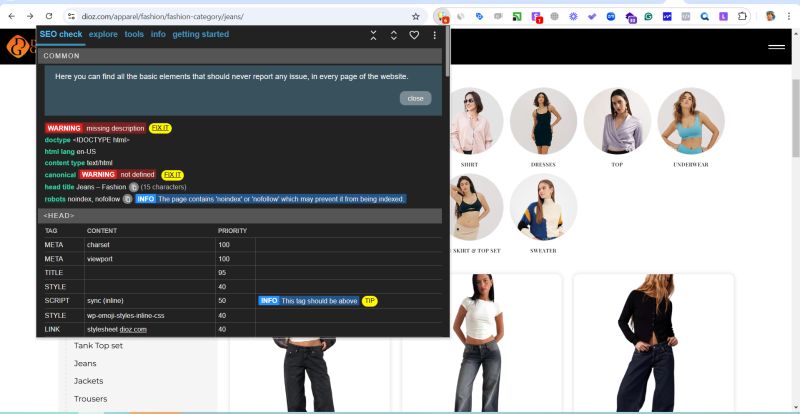
Why This Happens to Real Businesses
Noindex is not exotic. It is the default state of a site while it is being built, so that an unfinished store does not show up in search. The danger is that someone forgets to remove it at launch, and nobody notices, because the site looks perfectly normal to a visitor. It only fails in the one place no one is looking: the instructions it quietly sends to search engines.
This is why I keep arguing that a free site audit with fresh eyes catches issues that the people closest to a site miss. It is also why my idea of a useful audit is often just a short Loom walking through what I found, rather than a fifty-page document. The fixes that matter most are usually simple and sit right on the surface, and going through Google Search Console issues first surfaces them fast.
Treat Your Site Like Your Own Health
The moral of the story is simple. Do not be afraid to run a health check on your website, the same way you would book a check-up for yourself from time to time. You do not wait until you collapse to see whether something is wrong. You look while everything seems fine, precisely because the most damaging problems are the ones that show no symptoms to the casual eye.
A noindex tag causes no error, no broken page, no obvious sign. It just removes you from the race without telling you. The businesses that grow are the ones that look under the bonnet on a schedule, and the same care that catches a noindex tag is what lets you spot the issues that break cheap audits on bigger brands.
MageCloud SEO Note
When the Site Undoes the Sales Team
THE OUTREACH
A polished email and real hustle
Everything working exactly as it should at the front.
THE BLOCKER
A site on noindex and nofollow
Quietly asking Google to ignore the whole thing.
Paul Ryazanov · MageCloud · check the site before you scale the outreach
If you are investing in sales and outreach but the organic results never come, come and find me at the next Ecommerce Camp UK, or send me the URL and I will run a quick health check. The problem is often far simpler, and far more fixable, than anyone expects.