


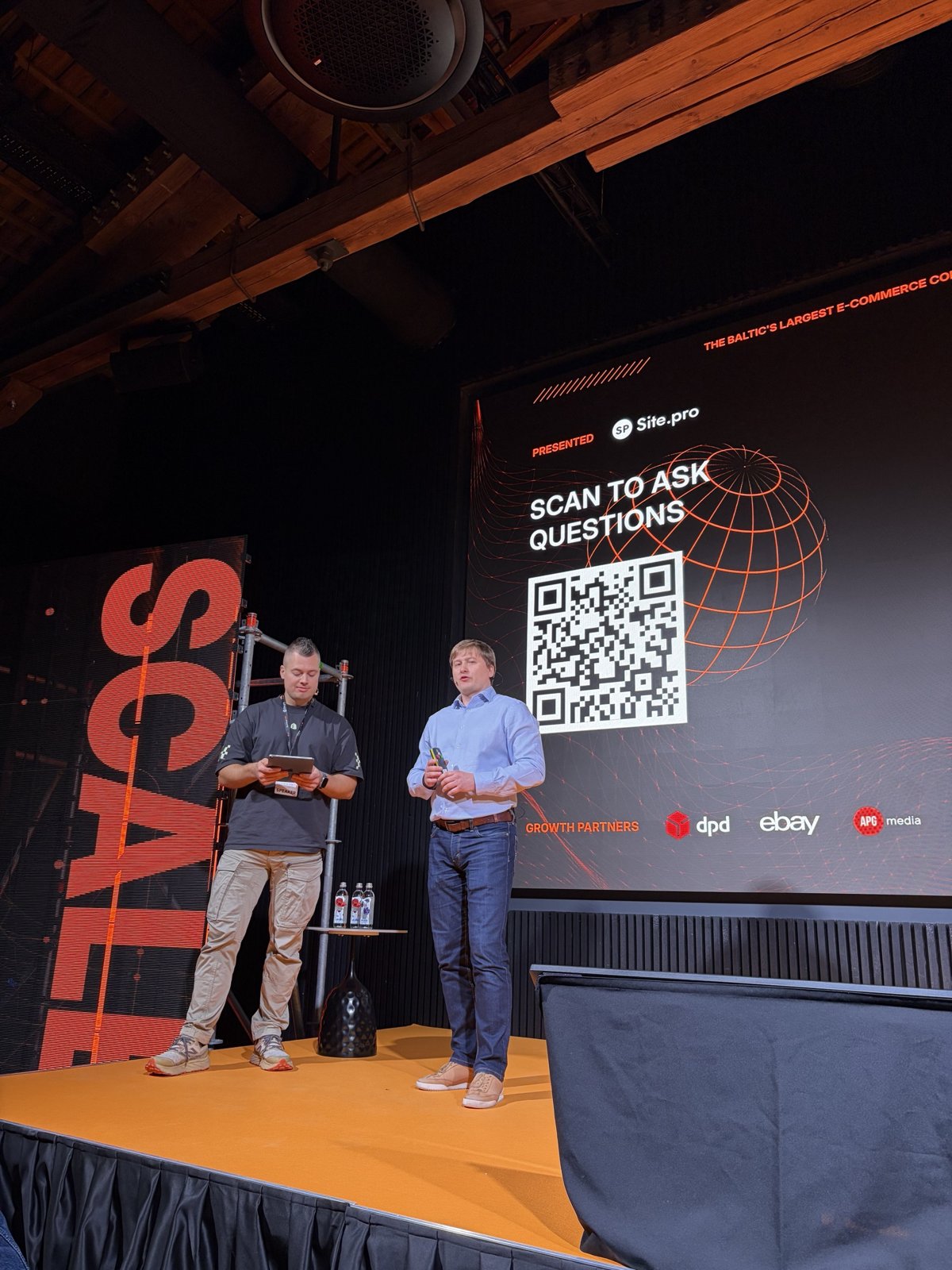
My main stage session at EcomExpo in Vilnius on 1 October 2026. Ten ideas I cherry-picked from our ecommerce founders community in the UK, hoping two or three of them work for brands in the Baltics too.
The Line the Whole Talk Hangs On
Before I started, I had to say thank you. I was born in Ukraine, and seeing Ukrainian flags all over Vilnius gave me goose bumps.
Then the point of the whole session. AI will help you optimise and make your business more efficient. It will not scale it. There is no prompt you can put into ChatGPT that does that.
And if your relationship with your customers is only transactional, you will always be competing with Amazon.
1. Sell Feelings, Not Features
Customers vote with their money, and they pay for outcomes. One UK clothing brand started on an $80 template and is now an eight-figure retailer, because they worked out exactly who they target and put that person into every picture, every page and every campaign.
If you sell tents, you are not selling tents. You are selling a family enjoying time off in nature. Candles are a romantic dinner. Tyres are getting home safely.
2. Build a Personal Brand
Most founders start by solving their own problem. Jennifer started Calla Shoes because she could not find good shoes for herself, then started talking about it and built a community around it. Platforms like Qwoted, PodPitch and Podchaser connect you with journalists and hosts looking for experts. With no budget, she was covered by major media.
A personal website and social presence is easy now. Take a photo on your phone and let an agent publish it. A podcast with 10 or 15 views, shared on LinkedIn, still gets you attention. It is a free advertising channel.
3. Be Creative
Megan Jones from By Babes rented a Porsche, put it in pink, covered it in fake parking tickets and parked it on a Manchester street. People stopped, took selfies and shared them with friends. It cost maybe 200. The exposure was worth far more.
4. Build Community
If you sell hiking gear and have 6,000 customers, it is not expensive to invite them on a weekend hike. The content they create and share, you can reuse in social, ads and campaigns.
Building a community from scratch is expensive, so Roger from A&E Leisure bought one. He found 10 Facebook groups in the caravan world, around 26,000 members each, and did a deal with moderators who were already tired of running them. 260,000 people in his industry, and he has made the money back.

5. Be Social
Social media is not about followers any more. Every piece of content has its own life in the algorithm. A profile with a million followers can get no views, and an account with none can go viral.
Jonathan sells one product, probably the least sexy product on earth: toolbox foam. He started a YouTube channel with how-to and behind-the-scenes videos and reached 200,000 subscribers. On TikTok one video did 11 million views, and it had nothing to do with the product. When it slowed down, he reposted it with new captions and got another 2.7 million. Repurpose what already worked.
6. Be Helpful
I bought a Thermos flask. Thermos is our client. The next day they sent me an email with a drink to make with it, a winter version and a summer one. I read every newsletter they send me. Credit to Engage Commerce, who run it. That is the relationship you want: something that helps the customer and keeps them connected to your brand.
7. Extra Protection
A lot of these ideas need budget, and a lot of my clients tell me they do not have one. So let me unlock some.
One brand, which I cannot name, added a small “protect my order” option at add to cart. Not insurance. Just: if something goes wrong with your order, we will take care of it. Like paying for priority with Ryanair. That widget generated them just over £12,500 a month in extra income, and it takes a developer two or three hours to add. A gold mine.
8. Unlock Opportunities
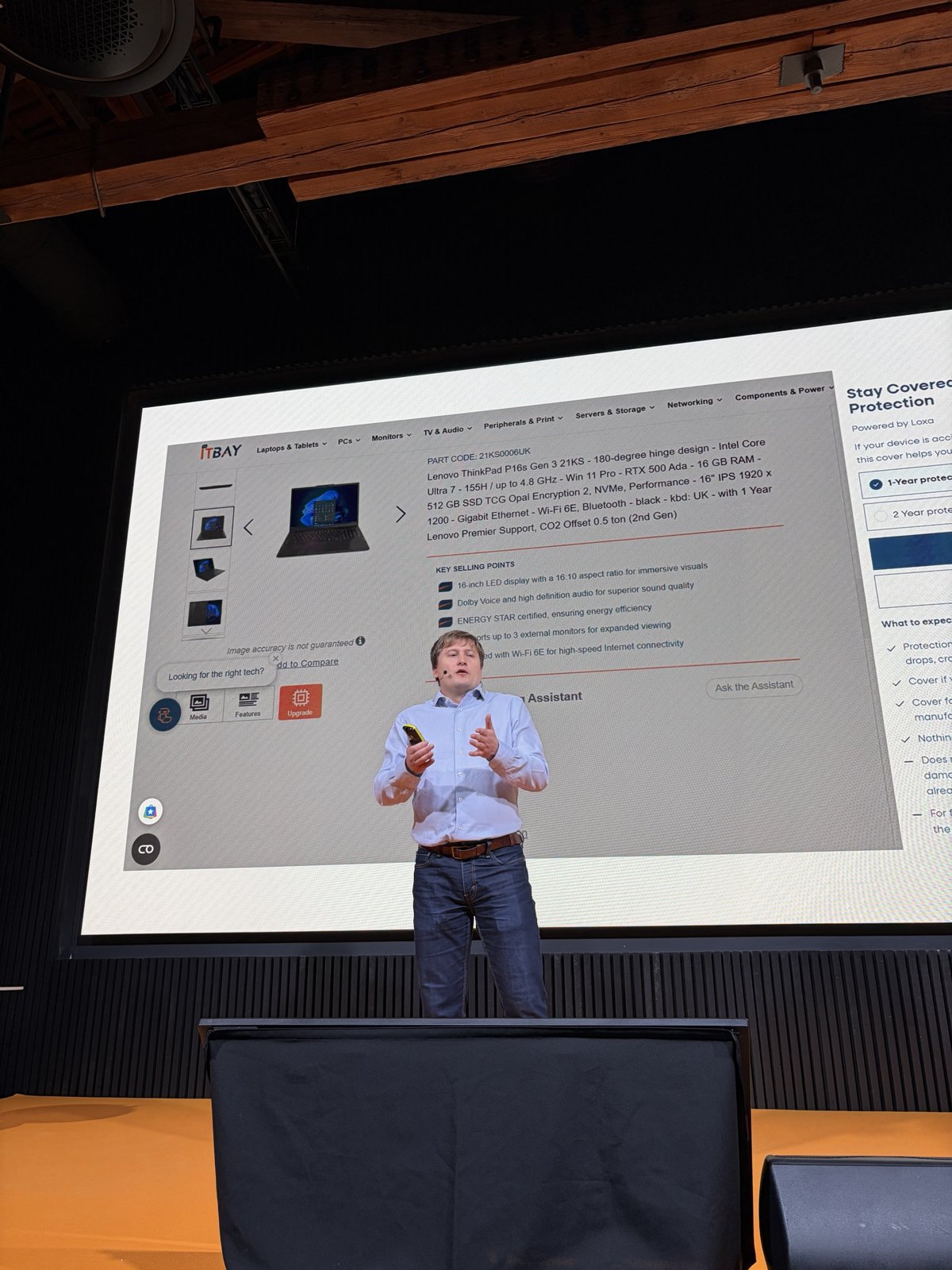
Partner with businesses outside ecommerce. One UK insurance company, which I expect to arrive in the Baltics soon, pairs well with furniture and electronics. Your customer buys extra cover on your website, and the insurer shares the revenue with you. For some of my clients, that is 10K+ extra revenue a month.
9. Build Partnerships
It can also be another ecommerce brand, not a competitor but something that sits well next to what you sell. This summer Thermos partnered with Hip Pop, one of the fastest-growing drinks brands in the UK. They promoted each other to their own customers, with a giveaway.
On Shopify, Shopify Collective lets you list other brands’ products on your site. KeeperStop, a client in the US selling goalkeeper gloves, lists partner brands’ products, and the partner fulfils the order. Extra profit from the customers you already have.
10. Optimise Checkout
Agencies, us included, spend a lot of time on product and category pages. What we see now is that checkout is the most underrated place to optimise. We have started using an AI checkout called Fero that tracks user behaviour and shows the right messages, upsells and cross-sells at checkout and on the thank you page. Across my clients we have seen a 20 to 30% improvement in conversions.
From the Q&A
Do I work with brands in Lithuania? No. It is a different market, and understanding local customer behaviour matters. The UK and the US are enough for me.
What would I not recommend in a smaller market? Relying on AI for the relationship with your customers. The more AI content there is, the more people want a human touch. Use AI for accounting and operations. Keep client-facing things human.
Does a founder’s personal brand make a company unsellable? I do not think so. On LinkedIn, company pages do not get the reach of a personal profile, so founders should produce content. It is not about millions of views. It is about the one view that brings a client. My friend Tomer from Yotpo has around 5,000 followers and runs a 1.4 billion company. And when a company is sold, there is always a transition period.
Judging the Baltic E-Commerce Awards
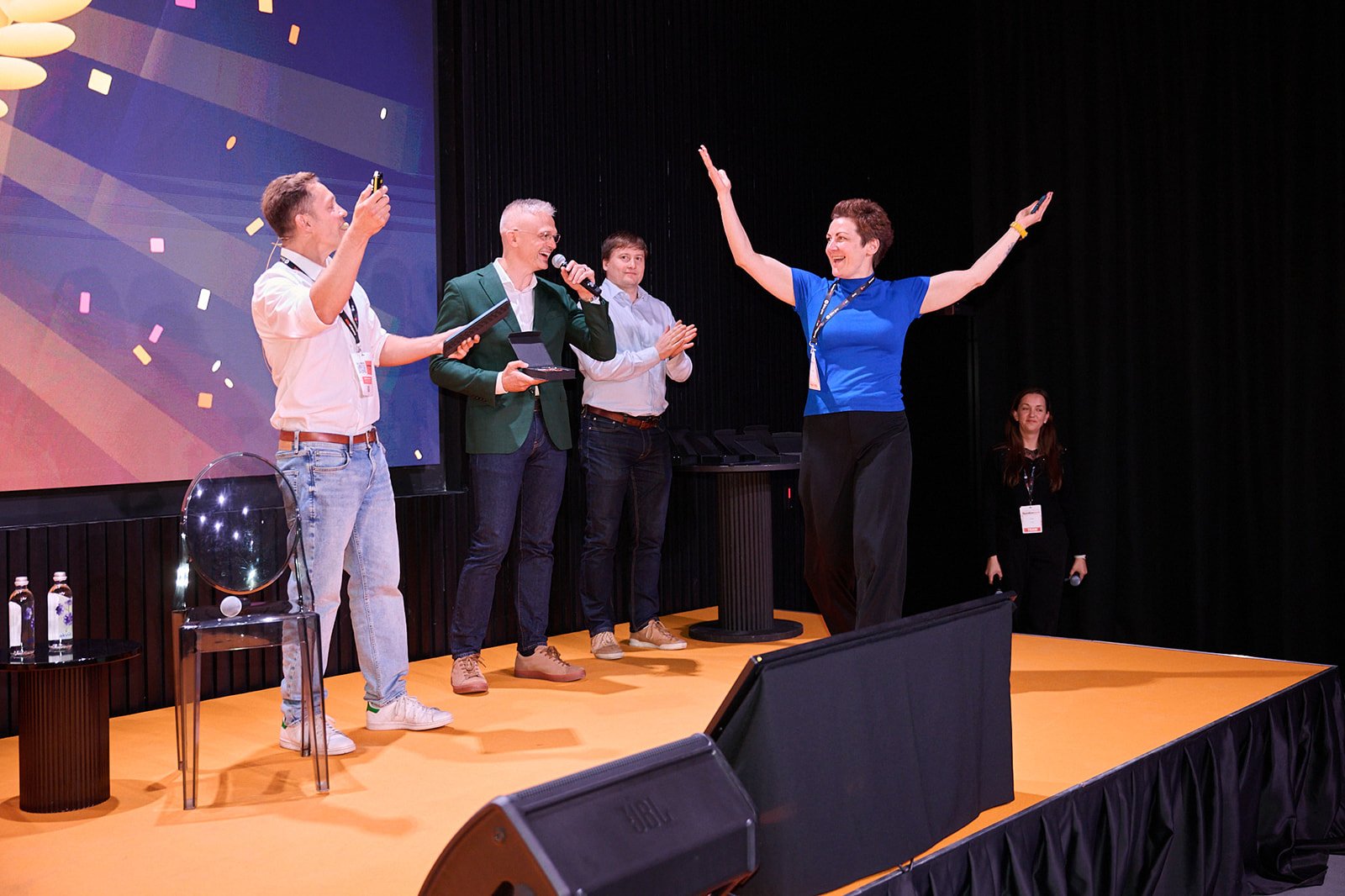
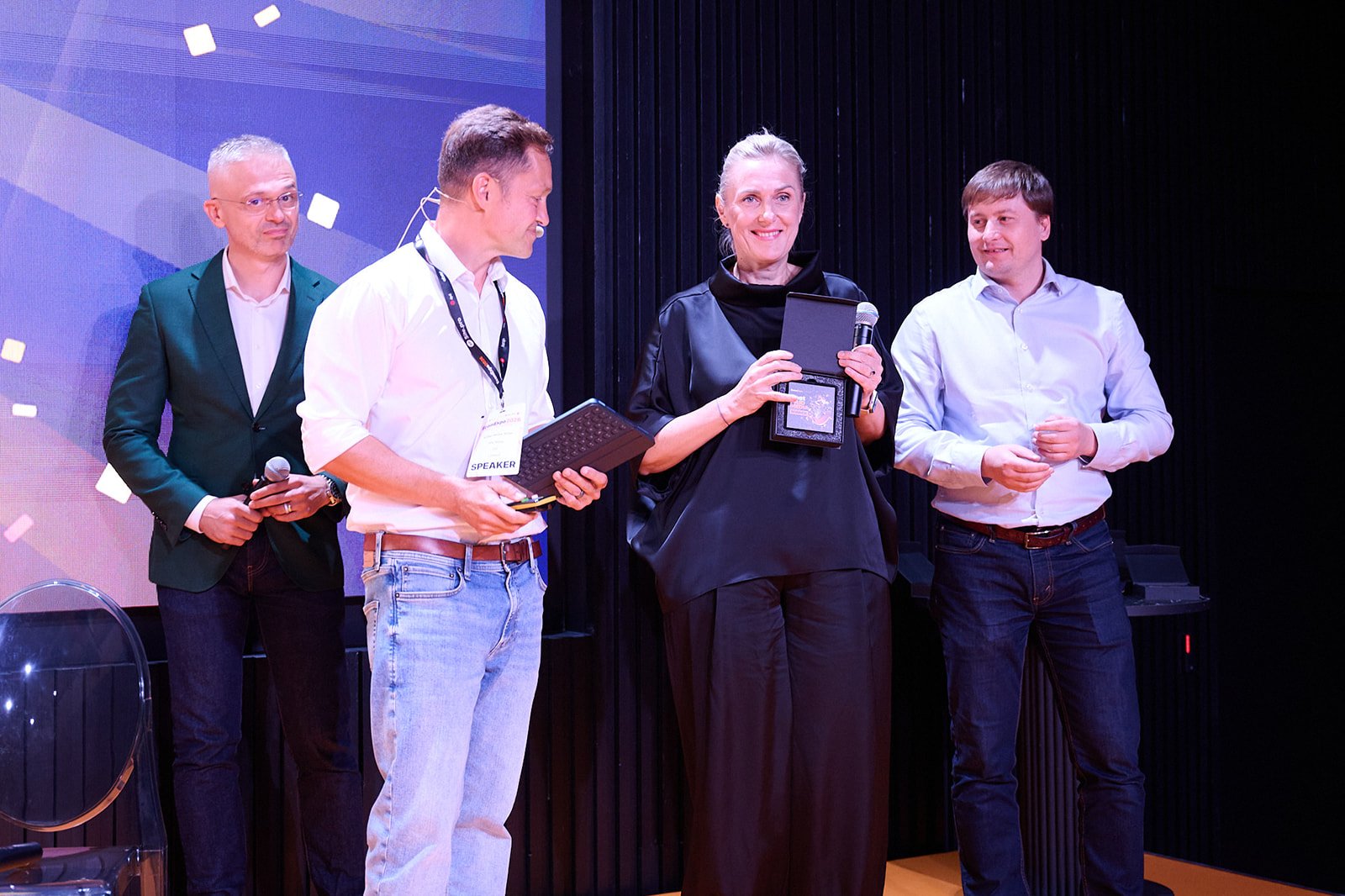
At EcomExpo I also sat on the jury for the Baltic E-Commerce Awards, and went on stage to help hand out the awards.


Where to Find Me
I mentor founders at paulryazanov.com/mentor, and run Ecommerce Camp UK.